Sensory rooms in schools: fast, flexible and sustainable with Morph Bricks
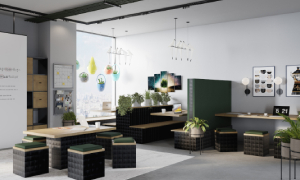
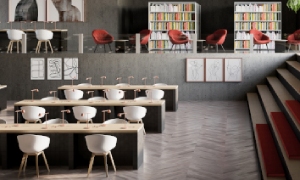
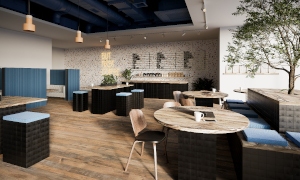
Sensory rooms in schools do more than create calm—they shape inclusive spaces that support focus, regulation and wellbeing for diverse learners. But traditional fit-outs can be costly, slow and wasteful. Morph Bricks offers a fresh approach: modular partitions, freestanding pods and adaptable furniture made from recycled materials that install tool-free and reconfigure in minutes. Let’s explore how your school can benefit from fast, flexible and low-carbon sensory room design with Morph Bricks. Learn more about flexible solutions for schools here.
Benefits of Sensory Rooms in Schools
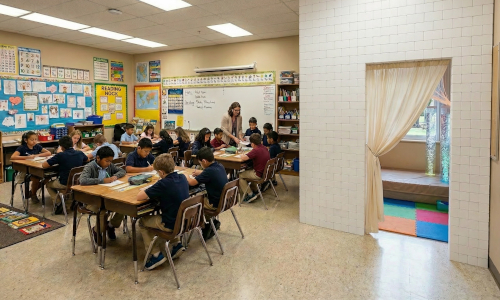
Creating sensory rooms in schools is not just about adding a quiet space. It's about crafting an environment that boosts focus and supports diverse learning needs.
Focus and Regulation
Sensory rooms help students find their focus. By providing a dedicated area where distractions are minimized, learners can concentrate better. This is especially beneficial for students who might struggle in a typical classroom setting.
Consider a room with soft lighting, calming colours, and soothing sounds. These elements work together to create a regulation space. Such a space allows students to de-stress, refocus, and return to class better equipped to learn. Did you know that students with access to sensory rooms show improved concentration by up to 60%?
The adaptability of these rooms means they can quickly change to suit different needs. Whether you need a calm room for de-escalation or a stimulating area for sensory input, Morph Bricks can help create that perfect balance. Schools can say goodbye to rigid designs and embrace flexible solutions.
Inclusion and Behaviour
A sensory room promotes inclusion by catering to various behavioural and sensory needs. By offering a space where students can manage their emotions and behaviour, schools foster a more inclusive environment. This ensures all students feel understood and supported.
A sensory room in schools is a safe haven. Students with special educational needs and disabilities (SEND) often require quiet places to manage overwhelming situations. These rooms provide just that. They allow students to retreat, regroup, and return to class ready to engage.
Imagine a scenario where a student is overwhelmed by noise in the hallway. They can use the sensory room to calm down and regain control. Schools can transform challenging behaviour into teachable moments by providing this space. For practical insights into creating sensory walls, check out this guide.
Wellbeing and Neurodiversity Support
Support for neurodiverse students is crucial. Sensory rooms aid in this by offering tailored resources that cater to varied needs. These rooms promote wellbeing by offering a place where students feel at ease and understood.
Wellbeing is linked to how supported students feel in their learning environment. Sensory rooms show students they're valued, aiding in their emotional and social growth. Schools can create environments that celebrate differences, not just accommodate them.
For students with neurodiversity, a sensory room acts as a refuge. It's a space tailored to their unique learning requirements. As most people believe in a one-size-fits-all approach, this space challenges that notion, encouraging individual growth. Learn more about the impact of sensory rooms here.
Practical Design Principles for Sensory Rooms
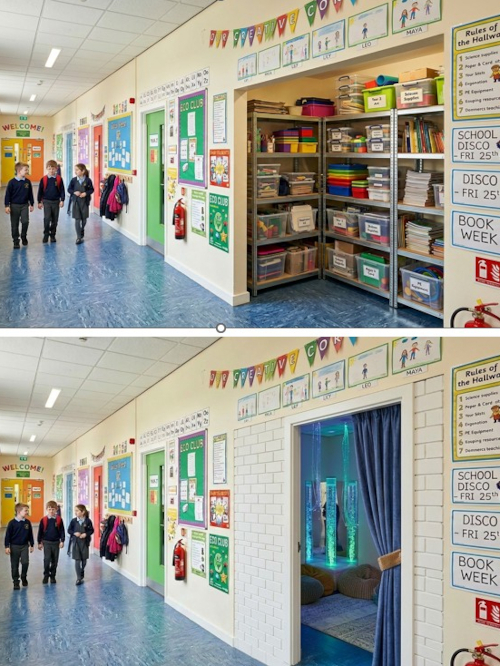
To truly benefit students, sensory rooms need thoughtful design. Let's explore key principles that make these rooms effective for all learners.
Tailoring for Different Learner Profiles
Designing sensory rooms means considering diverse learner profiles. Every student has unique needs. By tailoring spaces, schools can meet these varied requirements effectively.
Start by understanding the specific needs of your students. Are they more sensitive to sound, light, or touch? Once you know this, you can adjust elements in the room accordingly. This might mean adding soft textures or dimming lights to create a welcoming space.
Creating a Calm and Regulation Space
A calm room is essential for students who need to regulate their emotions. The design should focus on reducing stimuli and providing a soothing environment.
Think about incorporating low lighting, soft furnishings, and muted colours. These elements help create a peaceful space where students can relax. In turn, they become better equipped to handle challenges in and out of the classroom.
The longer you wait to create such a space, the more students might struggle with regulation. Don't let traditional fit-outs slow you down. With Morph Bricks, you can quickly set up an effective calm room without the hassle of a lengthy installation process.
Incorporating Biophilic and Acoustic Design
Biophilic design connects students to nature, fostering a sense of peace. Introduce elements like plants or nature-inspired decor to enhance the sensory room. This can improve mood and boost concentration.
Acoustic zoning is another vital aspect. It controls sound levels, ensuring that the room remains quiet and calm. Use materials that absorb sound to maintain a peaceful atmosphere.
Combining biophilic and acoustic design creates a space where students feel grounded and focused. This approach not only supports their learning but also enhances their overall wellbeing.
Fast and Flexible Sensory Spaces with Morph Bricks
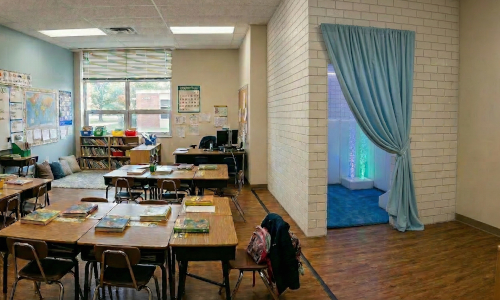
Morph Bricks revolutionises sensory room design. Say goodbye to costly, time-consuming installations and hello to quick, adaptable solutions.
Rapid Install and Reconfigurable Interiors
Schools need solutions that work fast. Morph Bricks offers rapid installations that don't require tools. This means you can set up and reconfigure spaces in no time.
Traditional fit-outs can take weeks and disrupt school activities. With Morph Bricks, your sensory room is ready within hours. This ensures minimal disruption to school life and maximum benefits for students.
Reconfigurable interiors mean you can adjust the room to suit changing needs. Whether it's a new term or a new group of students, your space can adapt with ease. Here's the key insight: flexibility doesn't mean compromise. It means efficiency and effectiveness in meeting student needs.
Sustainable School Fit-Out with Low-Carbon Materials
Sustainability matters, especially in school settings. Morph Bricks uses 100% recycled plastic, supporting a low-carbon footprint. This commitment to eco-friendly materials aligns with the growing demand for sustainable school fit-outs.
When you choose low-carbon materials, you're not only helping the environment but also teaching students the importance of eco-conscious choices. It's a lesson in responsibility and stewardship.
A sustainable fit-out doesn't have to be costly. Morph Bricks offers a cost-effective alternative to traditional methods. Schools can now prioritise both budget and the environment. To learn more about the benefits of sensory rooms, visit National Autism Resources.
Adaptable Furniture for Inclusive Learning Environments
Adaptability is crucial in education. Morph Bricks offers furniture that adjusts to meet the needs of all learners. This adaptability supports inclusive learning environments where every student thrives.
From modular partitions to freestanding pods, Morph Bricks provides the tools to create dynamic spaces. These spaces support varied learning styles and promote engagement.
Most people think traditional furniture is the only option. But Morph Bricks challenges this belief, offering innovative solutions that transform educational settings. Embrace the future of inclusive learning with adaptable furniture that works for everyone.
By implementing sensory rooms in schools, you create spaces that support focus and wellbeing for diverse learners. With Morph Bricks, you achieve this quickly and sustainably, aligning with eco-friendly practices. Explore the possibilities and transform your educational environment today.